Hybrid Power Technologies, LLC

| Applications |
|
The exceptional versatility of the hybrid-nuclear technology provides electrical power and transportation fuels while significantly improving the economics of renewable energy. Further, the hybrid’s graphite core is ideally suited to use abundant thorium, in addition to uranium. The hybrid can significantly improve the sustained use of the planet’s energy resources. Hybrid-nuclear/Natural Gas Exceptional Environmental Performance. The hybrid-nuclear/Natural Gas Combined-cycle (NGCC) power plant can produce over 850 megawatts of power at efficiencies exceeding 52% with emissions about half those emitted by conventional NGCC plants. (figure 1)
Hybrid-nuclear/Coal Unmatched Clean Versatility. Using coal gasification technology, the Hybrid-nuclear/Integrated Gasification Combined-cycle (IGCC) power plant can produce over 800 megawatts of power, at efficiencies of approaching 50% with emissions about 1/4th those of the conventional coal power plants. By adding hydrogen to gasified coal, liquid transportation fuels and synthetic natural gas can be produced in addition to electrical power. Using gasified coal, the hybrid can also produce a wide variety of basic chemicals vital to modern society as well as process heat needed by the chemical industry. The hybrid approach significantly reduces environmental impacts and allows the continued use of coal, one of the planet’s most abundant, useful and low-cost fuel resources. (figure 2)
Hybrid-nuclear/Solar Energy Ideal Grid Support A recent innovation increasingly used around the world in desert locations marries concentrated solar power with the combined-cycle power plant. The Hybrid-nuclear/Integrated Solar Combined-cycle (ISCC) power station can provide peaking power with exceptionally low emissions at costs well below those of conventional gas turbines and solar power plants. With the use of HRSG duct burners, guaranteed power can be provide to the grid, significantly increasing the price paid for the delivered power. (figure 3)
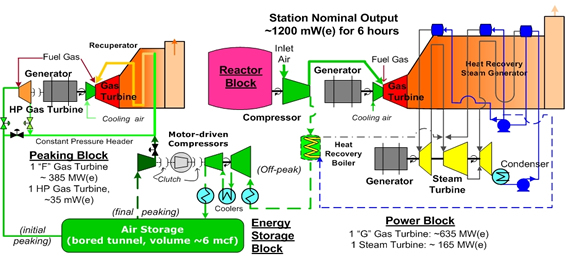
Hybrid-nuclear/ Energy Storage Renewable Breakthrough Perhaps the biggest drawback to using intermittent renewable energy is the inability to store energy for future use to match the demand for electrical power. The Hybrid-nuclear/Compressed Air Energy Storage (CAES) power plant overcomes the issues that have long hindered the storage of energy. This innovative approach can significantly improve the economics of renewable energy. (figure 4)
|
Last Modified: August 15, 2012
Figure 1: Hybrid-nuclear/Natural Gas
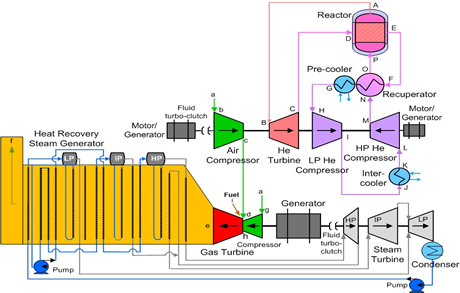
Figure 2: Hybrid-nuclear/Coal

Figure 3: Hybrid-nuclear/Solar Energy
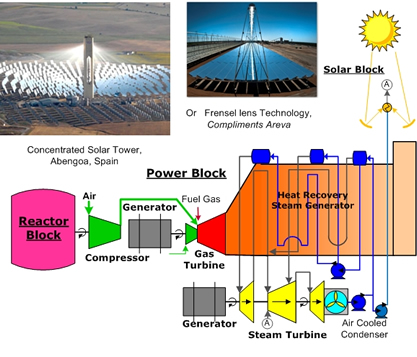
Figure 4: Hybrid-nuclear / Energy Storage